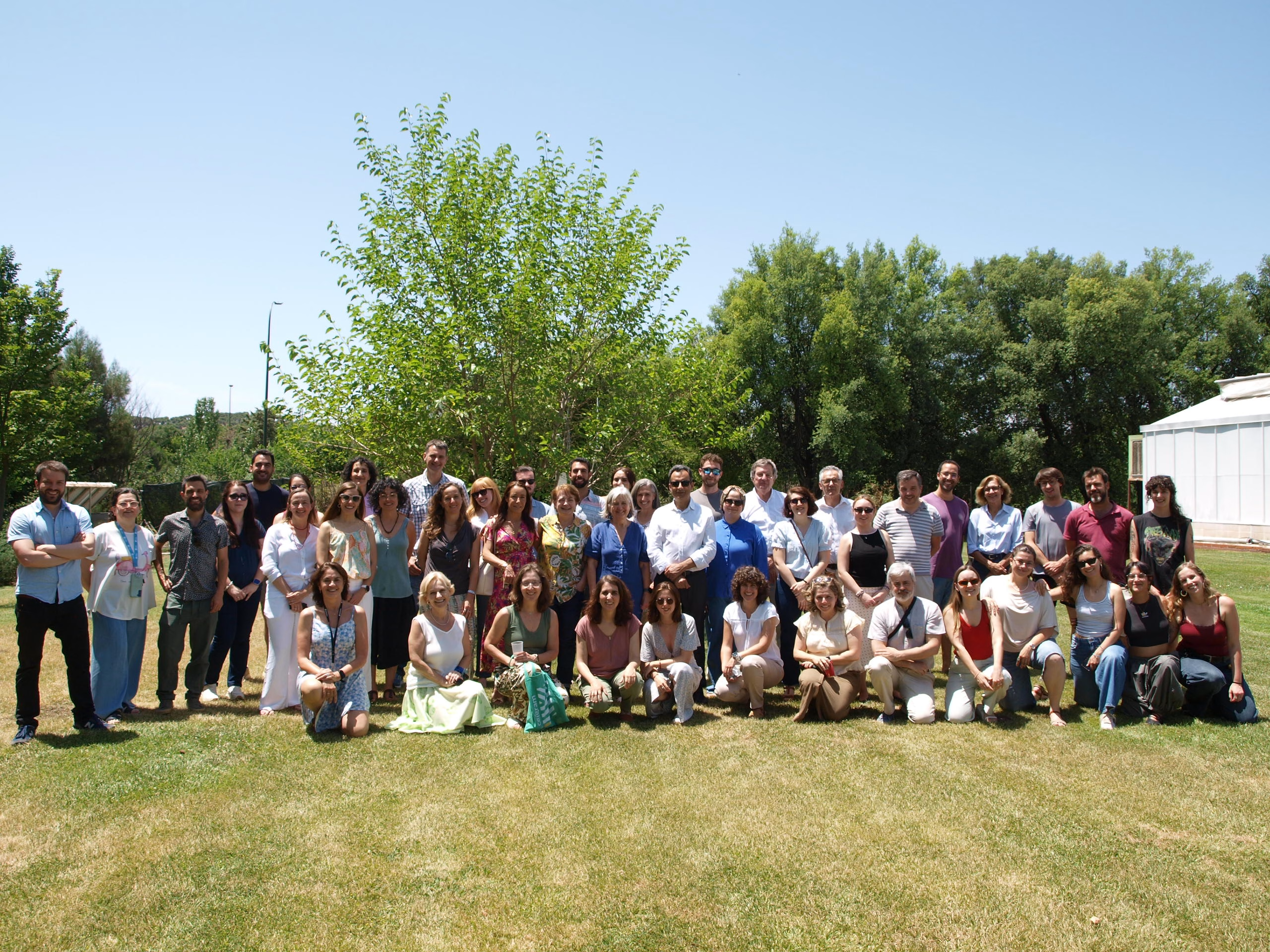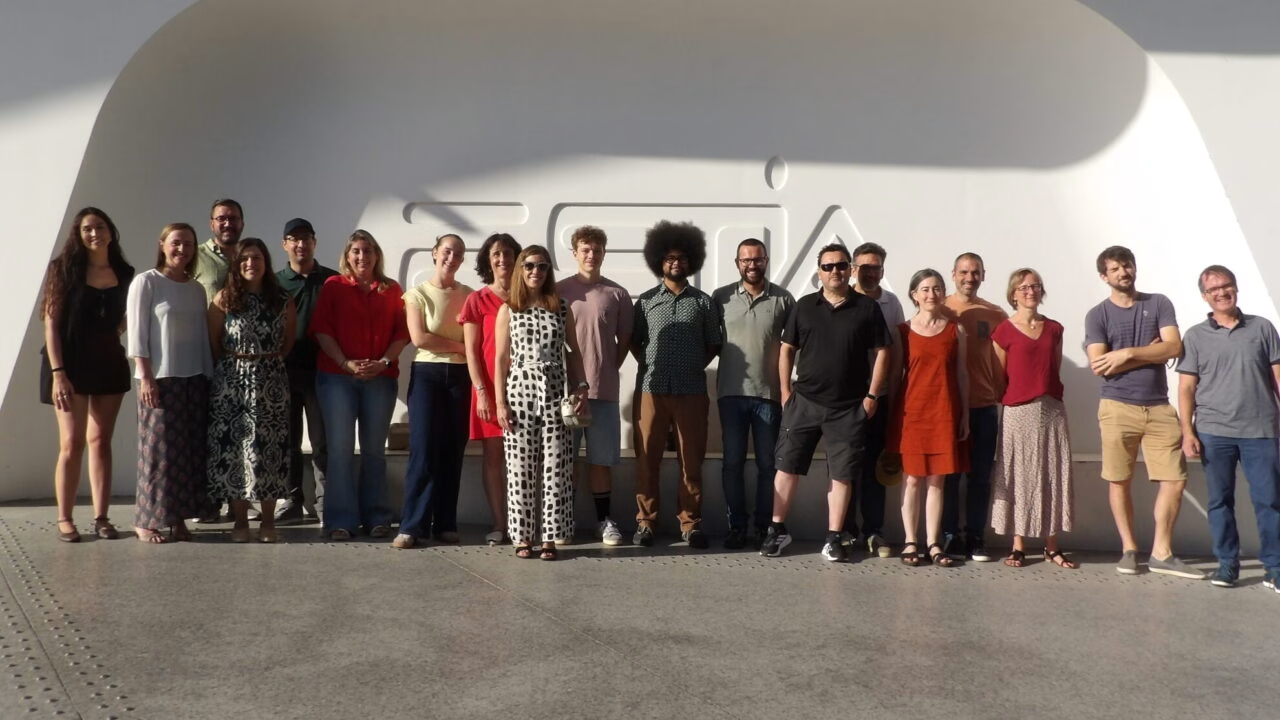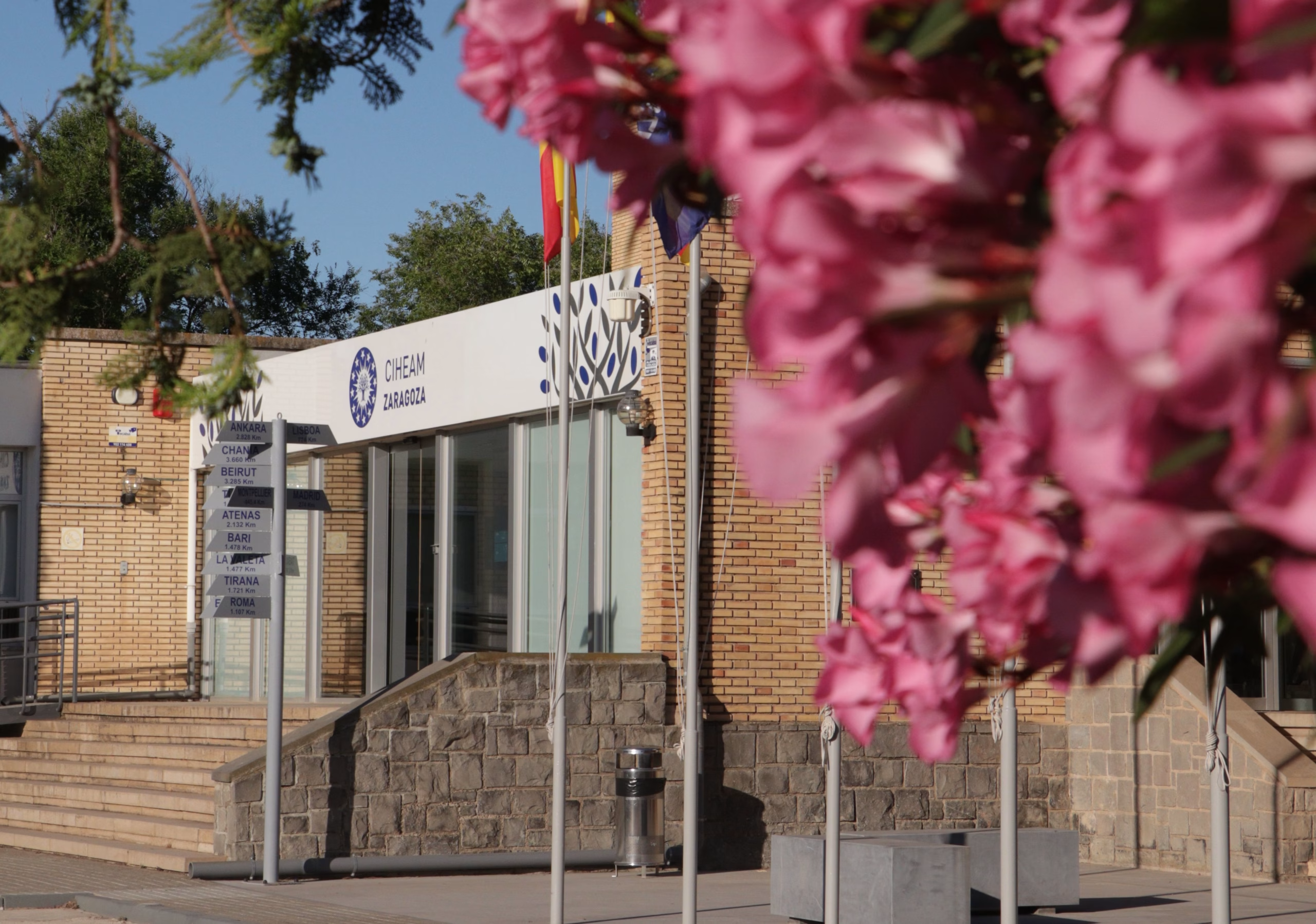
On 2, 3 and 4 June 2026, a dual scientific event organised by CIHEAM Zaragoza and the Remedia Network were held at the Aula Dei Campus in Zaragoza: the International Seminar on Climate Change Mitigation and Adaptation Options for the Mediterranean Agricultural Sector and the 13th Remedia Workshop. Researchers from CEIGRAM took part in both events, giving presentations, participating in round-table discussions and chairing sessions.
The seminar on the 2nd brought together around 25 researchers from Mediterranean and European countries to discuss practices for mitigating greenhouse gas emissions and adapting production systems to a changing climate. At the round table on circularity and efficiency in the use of inputs, Luis Lassaletta and José Luis Gabriel were two of the speakers invited to discuss crops, alongside experts from Morocco, Portugal and Italy. Our researchers’ contribution focused on nutrient circularity, through the reconnection of crop and livestock systems, and on strategies for a more efficient use of nitrogen in crops.
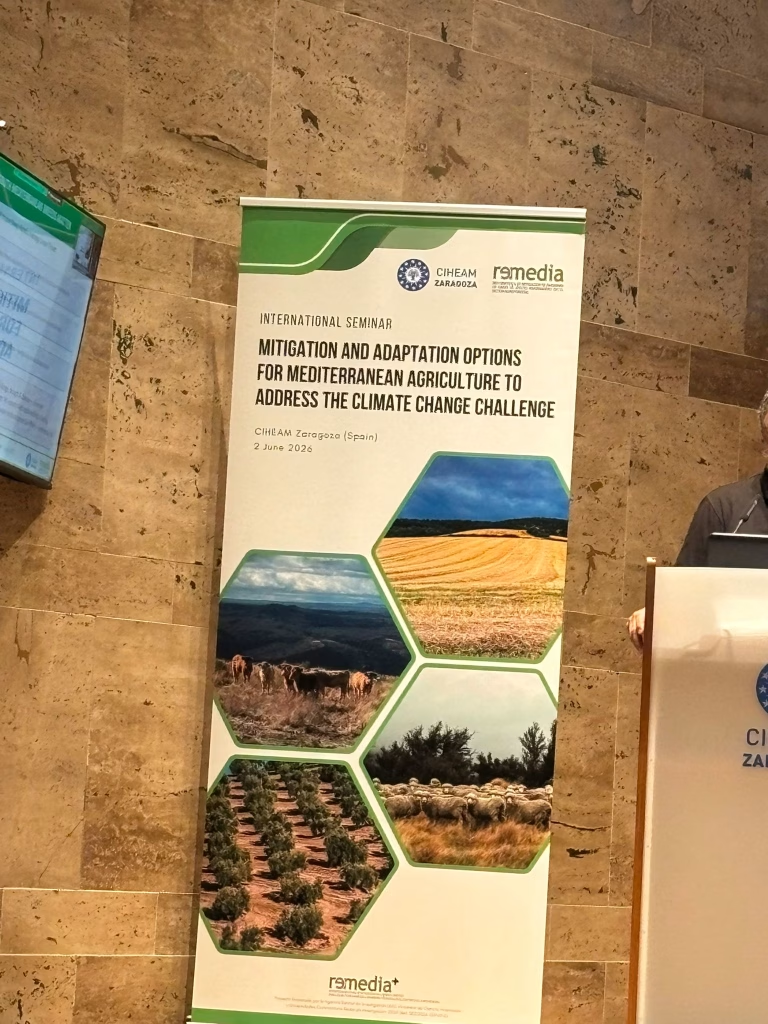
The following day saw the start of the 13th Remedia Workshop, the annual meeting of the national research network on climate change mitigation in agri-food and forestry systems, which this year brought together more than 100 researchers.
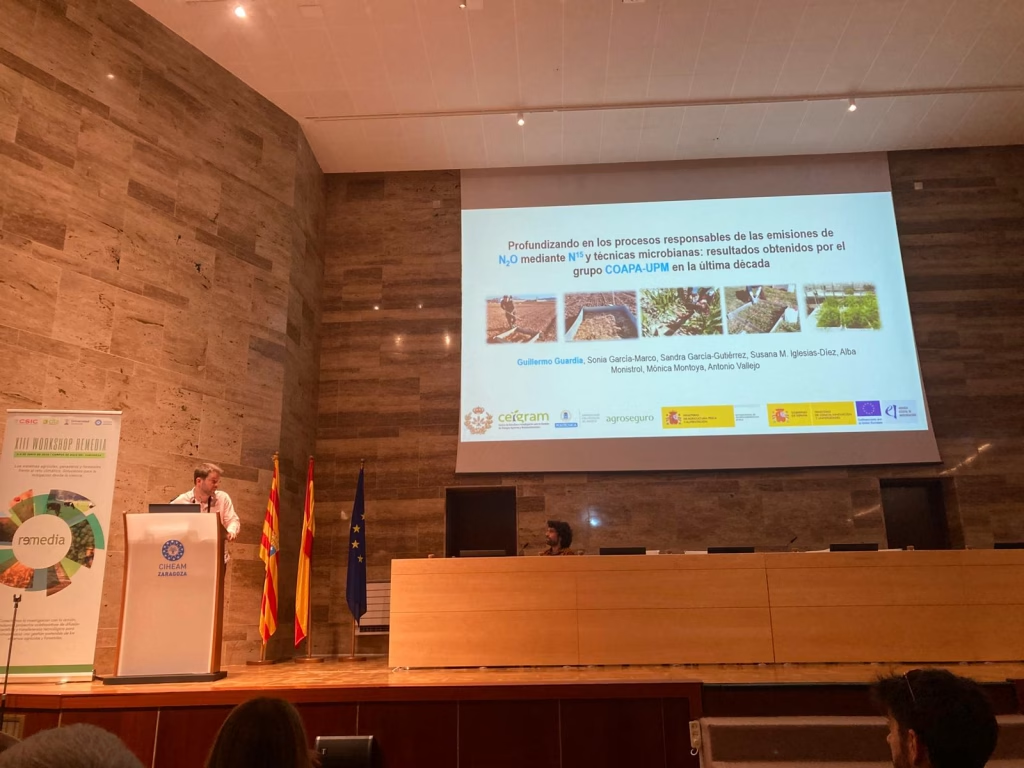
The agriculture session on Wednesday morning, moderated by Alberto Sanz-Cobeña, featured a presentation by the COAPA research group, delivered by Guillermo Guardia, on the processes responsible for nitrous oxide (N₂O) emissions from agricultural soils, drawing on findings accumulated over the last decade using nitrogen-15 tracer techniques and microbial analysis. This is a long-term study that contributes to a better understanding of when and why soils emit this gas, whose global warming potential is almost 300 times greater than that of CO₂. This presentation was recognised as the best oral presentation of the event.
During the second agriculture session on Wednesday afternoon, José Luis Gabriel presented the initial findings of his collaboration with MAPA to assess the impact of the CAP (particularly the eco-schemes) on the organic carbon content of Spanish agricultural soils.
CEIGRAM was well represented at the flash-talk sessions on Wednesday afternoon. Firstly, Sabrina Kassouar presented a study on ammonia emissions resulting from the application of pig slurry under contrasting climatic conditions, as part of the AgrosceNa-Next project, in which she outlined the progress and initial results of fieldwork campaigns currently being carried out in Denmark and Zaragoza on cereal crops. Jose Luis Gabriel gave a presentation on the wheat cultivation mitigation/adaptation trial, which involved adjusting sowing dates, nitrogen fertiliser rates and wheat varieties, carried out as part of the AGRISOST-III and RESUENA. Julia Burción presented her systematic literature review to identify the mechanisms underlying GHG emissions and sequestration in saline soils. Finally, Daniel Ortiz, who also chaired Session 2 of the flash talks, explained how the analysis of CO₂ flux frequency reveals and predicts the effect of climatic disturbances on the functioning of agroecosystems.
On Thursday, the socio-economic session was chaired by Luis Lassaleta and featured several presentations on climate policy, the carbon footprint of the Spanish agri-food system, and carbon markets.
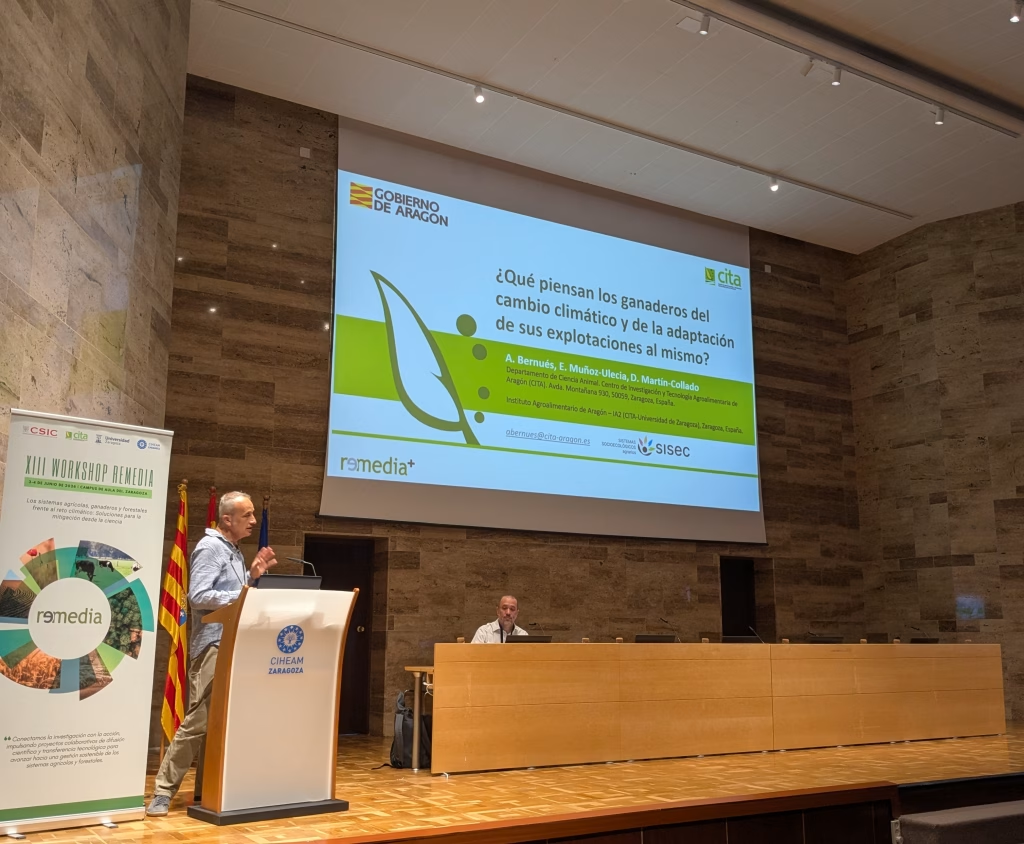
We would also like to highlight the contribution of Ivanka Puigdueta, who was a member of the scientific committee that organised and assessed the workshop papers.
We at CEIGRAM would like to thank CIHEAM Zaragoza and the Remedia+ network of excellence, which grew out of Remedia, for the organisational work behind these two events. Conferences such as these foster collaboration and interdisciplinary work. Mediterranean ecosystems require a networked approach in which we can learn from each other’s adaptation strategies and work together to find solutions that enable progress towards agri-food sustainability.