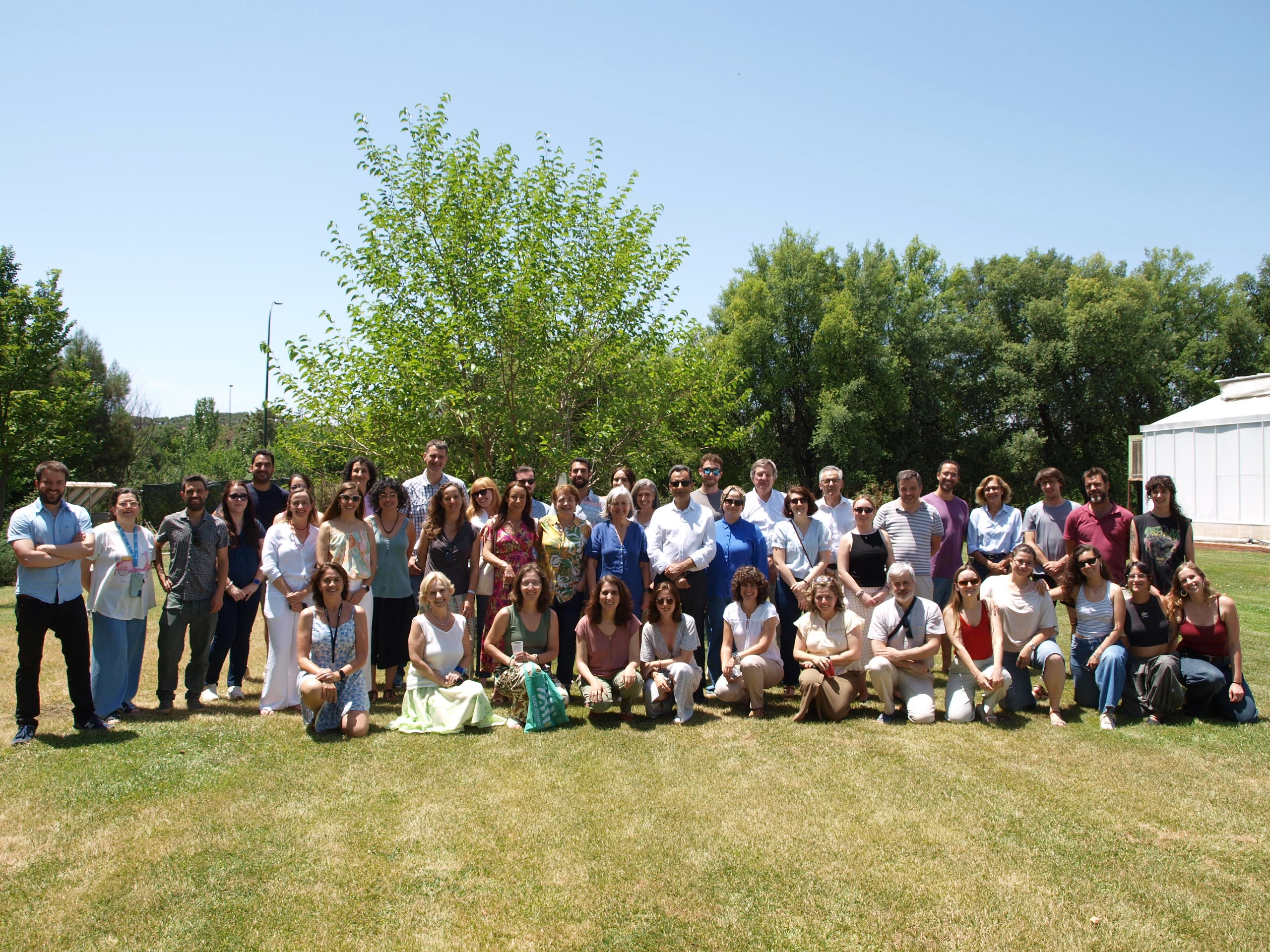
A team of researchers from CEIGRAM-UPM is taking part in this Interreg Sudoe project, which aims to promote more sustainable and resilient water management in institutional buildings through the development and validation of innovative solutions for water reuse in real-world settings.
Adapted from the original source: https://interreg-sudoe.eu/en/noticia-proyecto/sudwama-advances-its-solutions-for-sustainable-water-management/
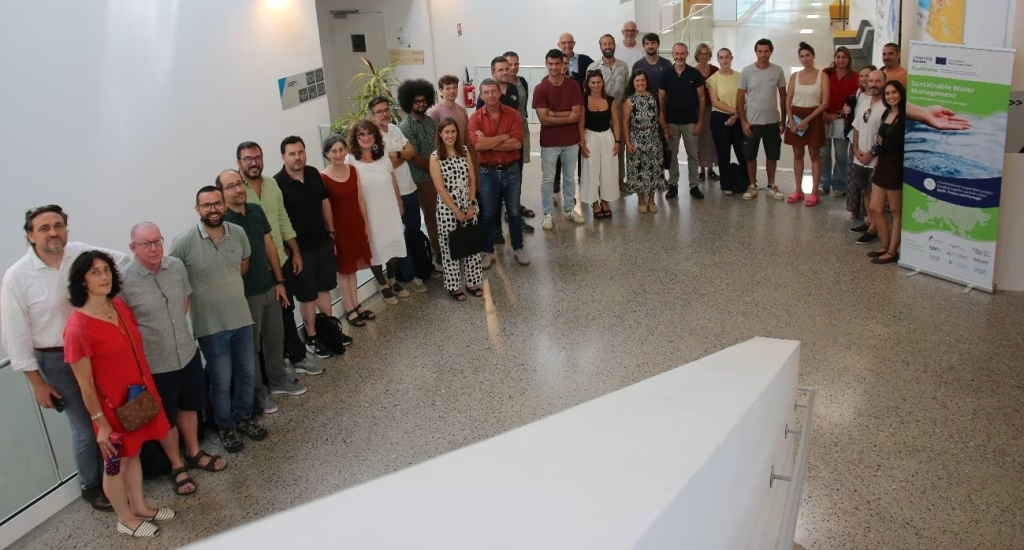
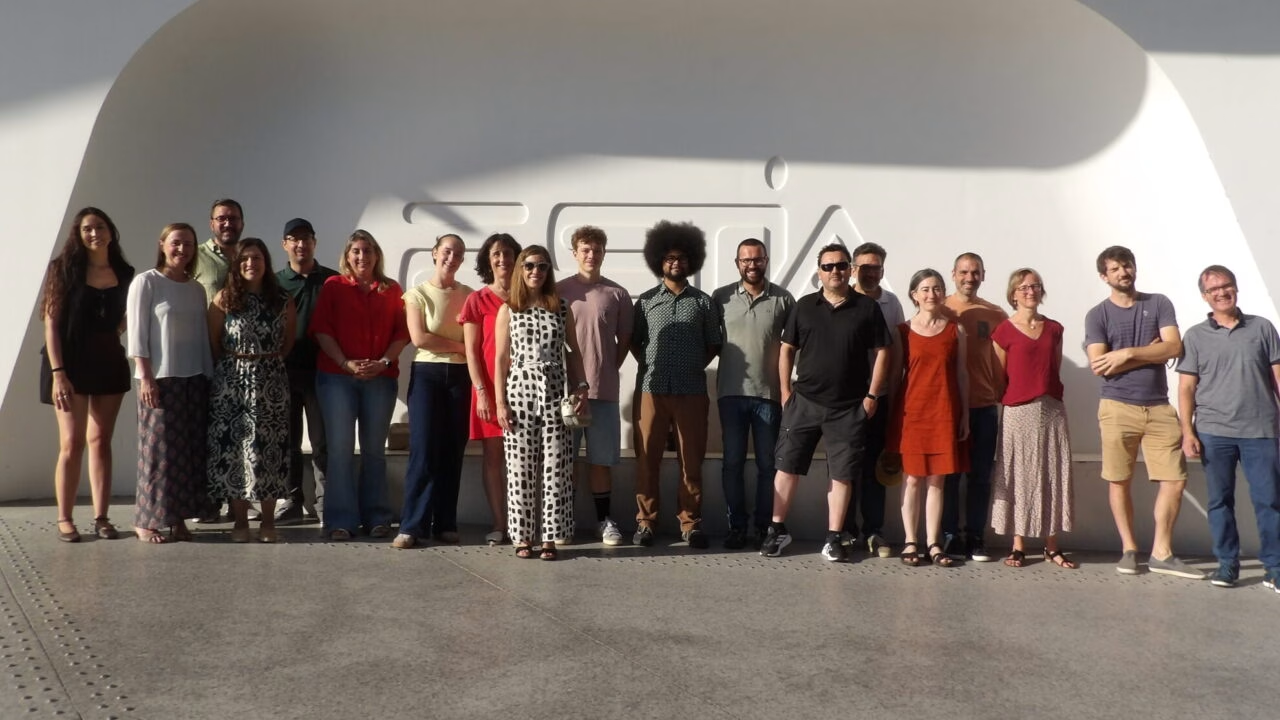
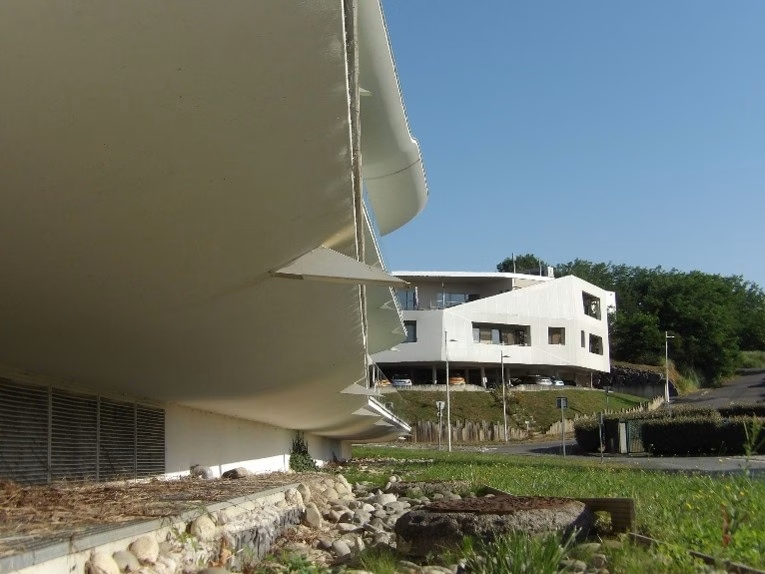
The partners of the SudWaMa project, co-funded by the Interreg Sudoe programme, met last June at the premises of ESTIA (École Supérieure des Technologies Industrielles Avancées) in Bidart, in the French Basque Country, for their first annual meeting. Over the course of two days, they reviewed the first year of the project, discussing the challenges it faces in developing sustainable water management solutions. Irene Blanco and Paloma Esteve attended on behalf of CEIGRAM-UPM.
SudWaMa focuses on institutional buildings, which serve as demonstration sites and living laboratories where innovative water management technologies are tested under real-world operating conditions. Through these pilot sites, SudWaMa aims to generate robust and applicable technical evidence to directly influence public and private decision-making. The project comprises four pilot sites: one at ESTIA’s own premises in Bidart (France), one in Coimbra (Portugal), and two in Spain, located in Madrid and the Basque Country.
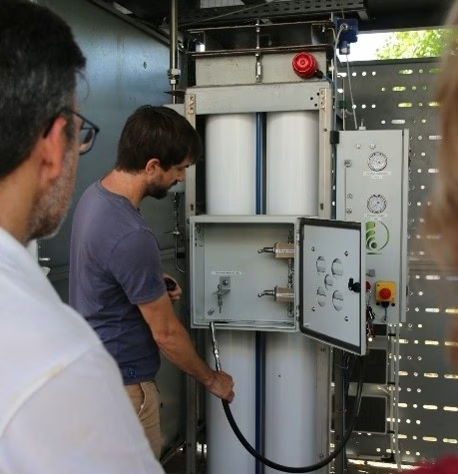
The meeting also provided an opportunity to visit the ESTIA pilot project on site, where a smart water management network (“Water Smart Grid”) is already in operation: a system that collects, stores and manages rainwater for toilet cisterns, irrigation and cleaning, supported by IoT sensors and artificial intelligence.
During the working sessions, each partner presented the current status of their work package and the activities planned for the coming year. The meeting also featured a presentation by Vincent Castillon, from the Communauté d’Agglomération Pays Basque, who outlined various flood prevention initiatives in the region.
CEIGRAM, through the Polytechnic University of Madrid, forms part of the multidisciplinary SudWaMa consortium, which is led by Zubigune Fundazioa and also includes the University of Coimbra, Breen Aquaponic Systems, Canal de Isabel II, Águas de Coimbra, Communauté d’Agglomération Pays Basque, ESTIA and BUILD: INN The project falls within the Interreg Sudoe priority aimed at preserving natural capital and strengthening adaptation to climate change in south-western Europe.
CEIGRAM coordinates the involvement of stakeholders to promote water reuse.
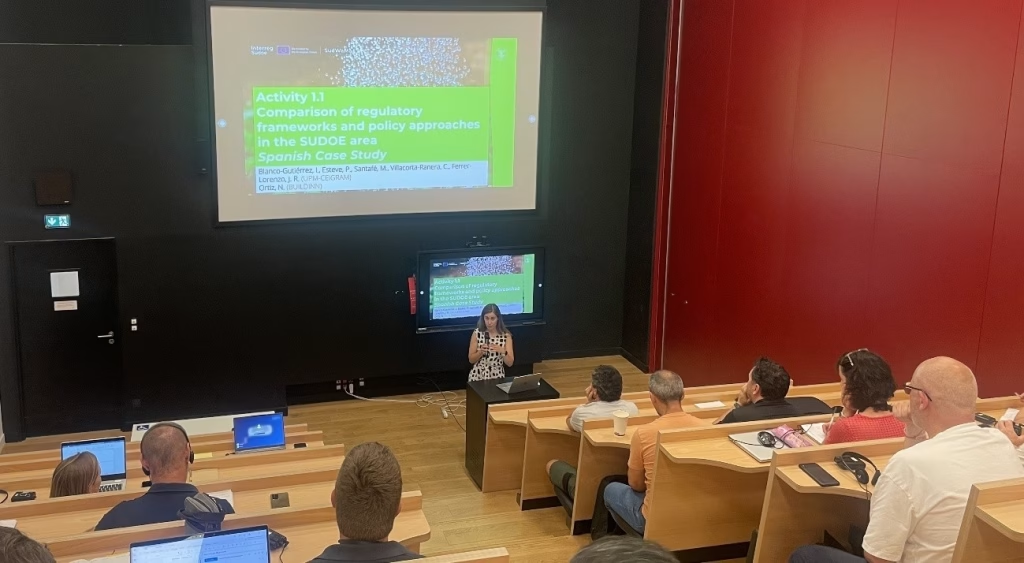
During the consortium’s annual meeting, the CEIGRAM-UPM team – which is responsible within the project for stakeholder engagement activities and for developing the Sudoe strategy for circular water management – presented the initial mapping of the main stakeholders in the regions involved in the project, along with the Engagement Plan. These tools are key to ensuring that the development of the proposed solutions meets the needs, expectations and priorities of the various stakeholders involved.
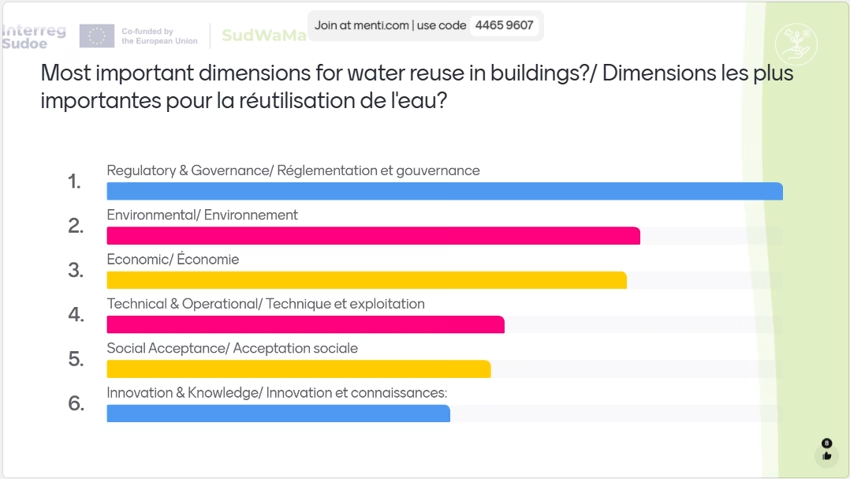
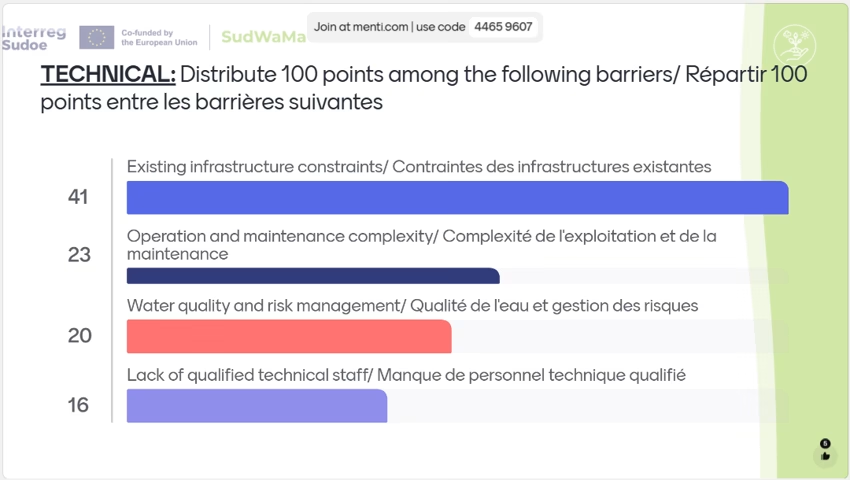
Furthermore, on the second day of the meeting, CEIGRAM-UPM led a participatory workshop attended by the project partners and 14 representatives from French organisations involved in water management, public administration, research and the business sector. Through a participatory exercise, attendees identified the main barriers hindering the implementation of water reuse systems in institutional buildings and proposed the priority actions and measures needed to encourage their adoption.
The results obtained during this session will serve as the basis for defining the water reuse strategy being developed by the SudWaMa project, ensuring that the proposed solutions incorporate the views and experience of the various stakeholders from the earliest stages of the project.