Fieldwork for the AgrosceNa-NEXT project (PID2023-152562OB-I00) has begun. This three-year project is co-funded by the State Research Agency (AEI) of the Ministry of Science, Innovation, and Universities, and the European Union through the European Regional Development Fund (ERDF). The project is co-led by researchers Luis Lassaletta and Alberto Sanz-Cobeña, continues the work initiated by AgrosceNa-UP (PID2019-107972RB-I00), which concluded at the end of 2023, and is part of the AgrosceNa-Lab research line.
The Spanish agri-food system exhibits significant imbalances in nitrogen use. Nitrogen use in Spanish agricultural systems involves certain leakage points and environmental losses associated not only with fertilization practices but also with the structure of the agricultural system in increasingly specialized regions. Furthermore, the situation of geopolitical instability and the fertilizer price crisis make it urgent to reduce external dependence on nutrients in order to strengthen the independence of agricultural systems. AgrosceNa-NEXT aims to better understand the causes of these imbalances and, above all, to propose concrete solutions tailored to the production systems of each region.
One of the project’s central focuses is reconnecting crop and livestock systems. Livestock farming generates a large amount of manure, and its reuse in crop production could be improved if the right mechanisms—technical, economic, and regulatory—were in place. AgrosceNa-NEXT works precisely to identify these mechanisms and evaluate different management scenarios together with farmers, livestock producers, fertilizer companies, government agencies, and other stakeholders in the sector. Participatory design is a central part of the project, just as it was in AgrosceNa-Up.
The other main focus is the reduction of ammonia (NH₃) emissions from organic fertilization. Ammonia is one of the main agricultural air pollutants. AgrosceNa-NEXT will compare and evaluate methods for measuring emissions and techniques for applying organic fertilizers to mitigate them, with the aim of identifying which are most effective in the Mediterranean context compared to temperate climates.
The project also includes a component on carbon sequestration in agricultural soils, an aspect that is becoming increasingly important from both an environmental and economic standpoint, given the growth of voluntary carbon markets.
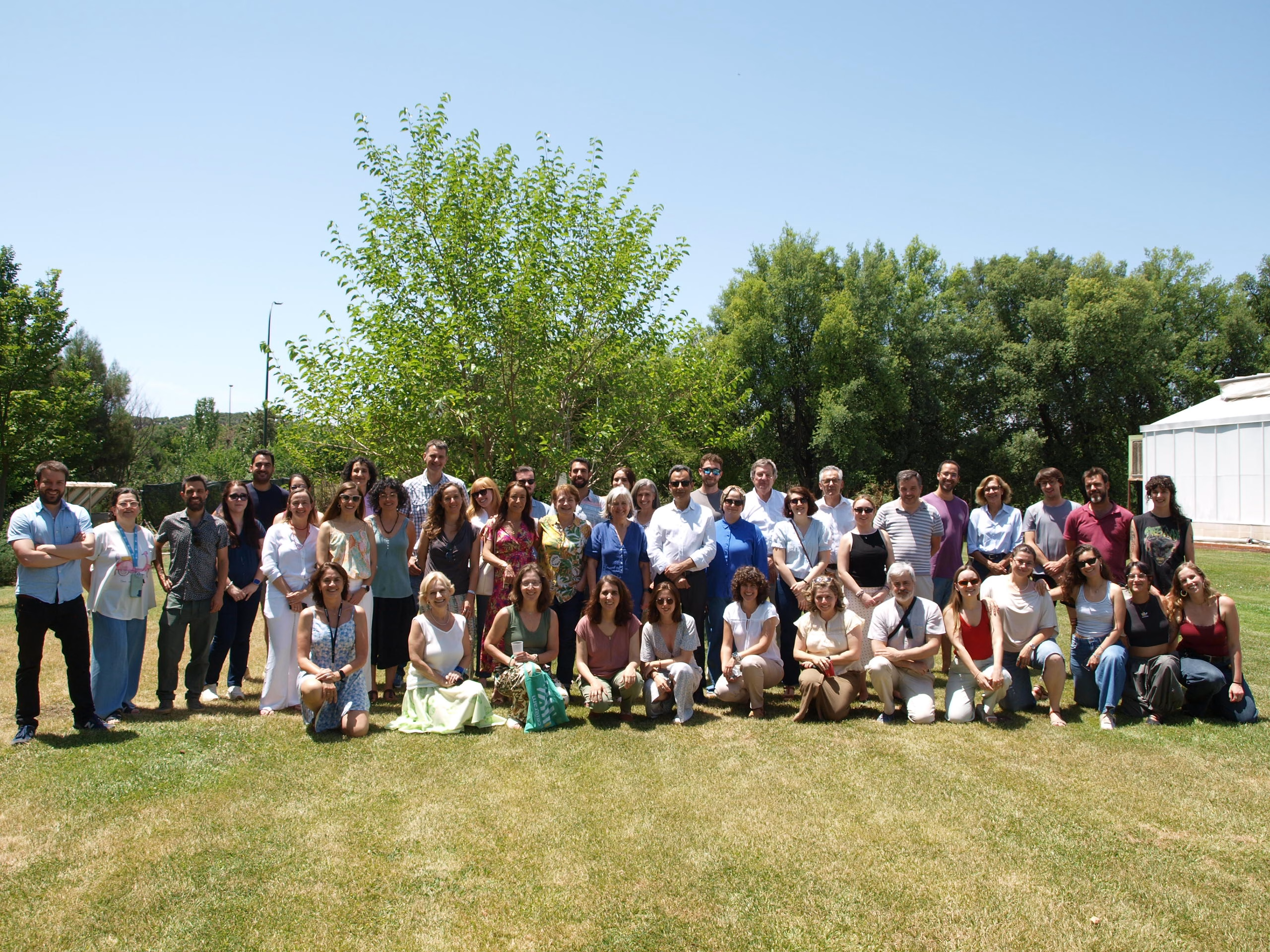
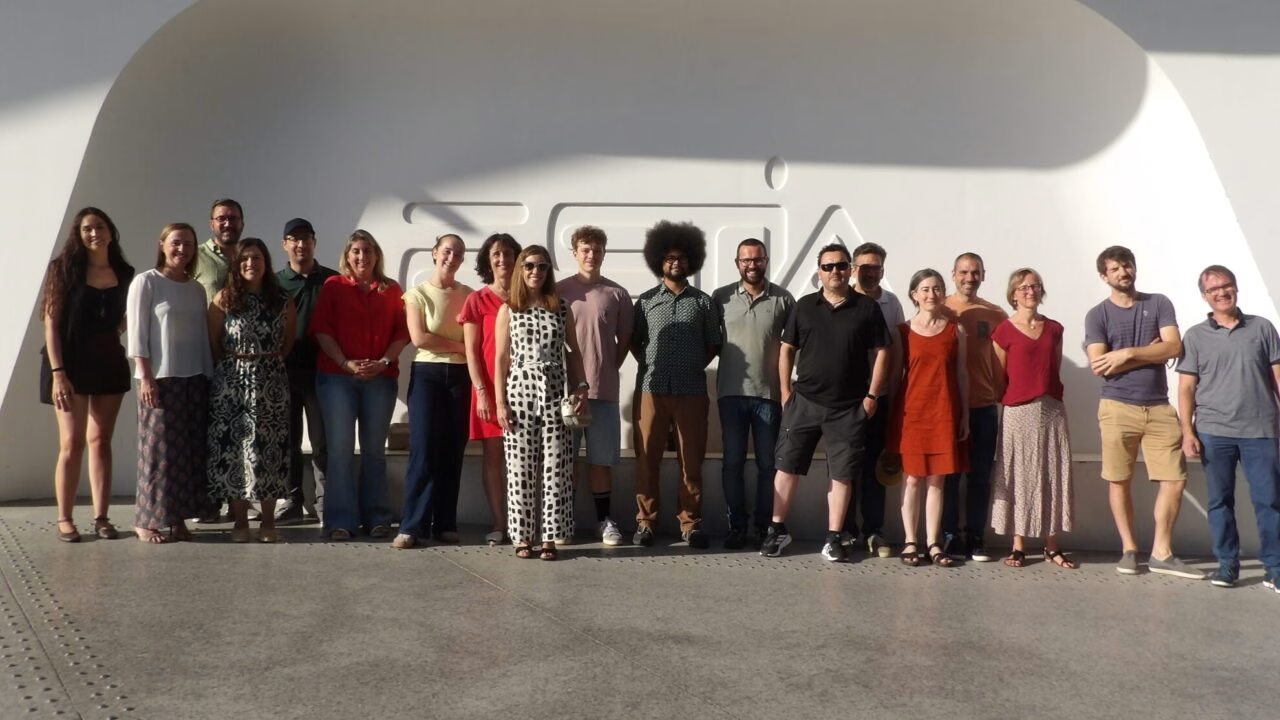
The team includes researchers from CEIGRAM-UPM, CSIC, the University of Castilla-La Mancha, Aarhus University (Denmark), and the USDA (USA), among others. It also relies on close collaboration with the Aragón Center for Agri-Food Research and Technology (CITA).
Quantifying ammonia emissions following the application of slurry in Zaragoza
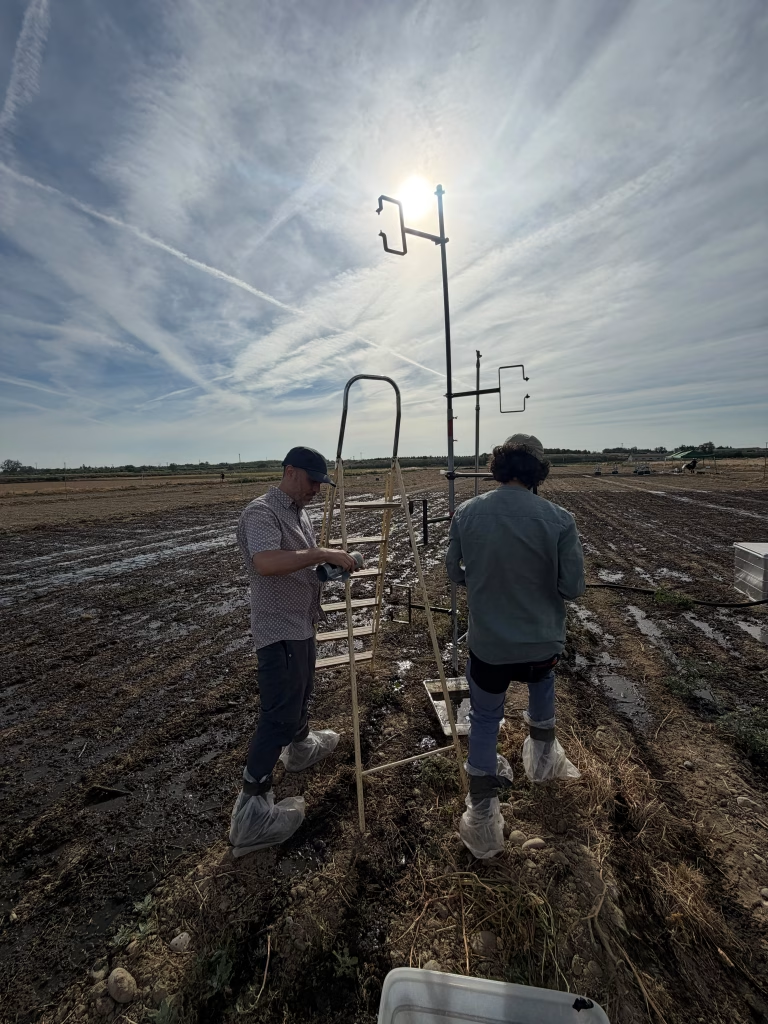
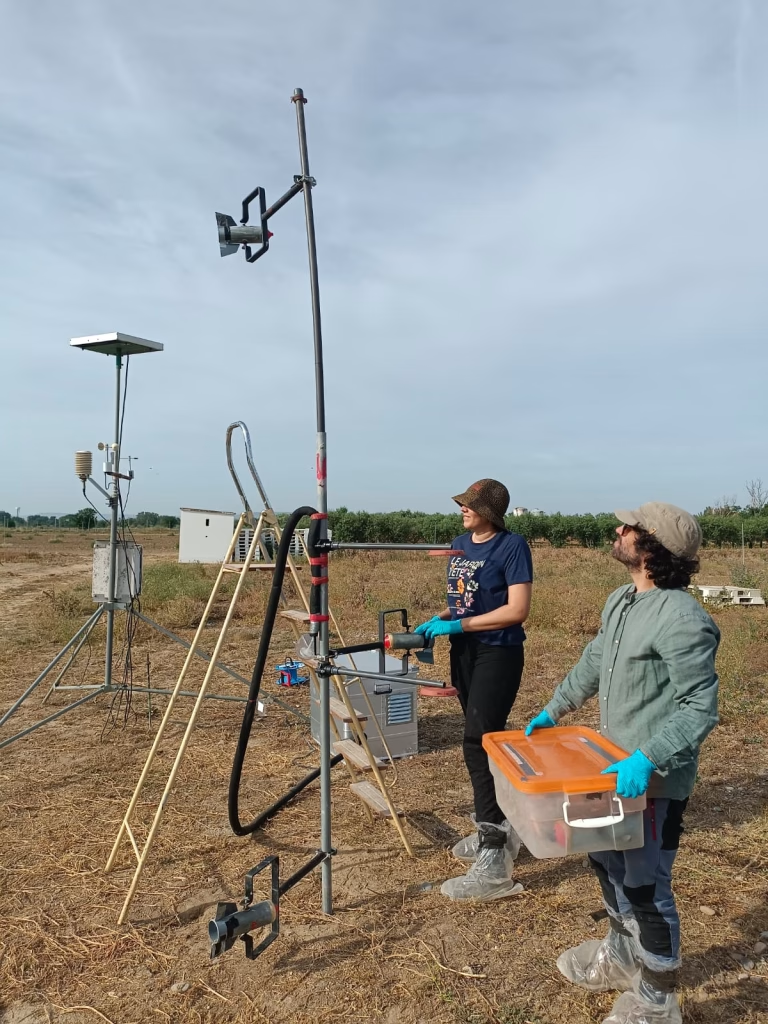
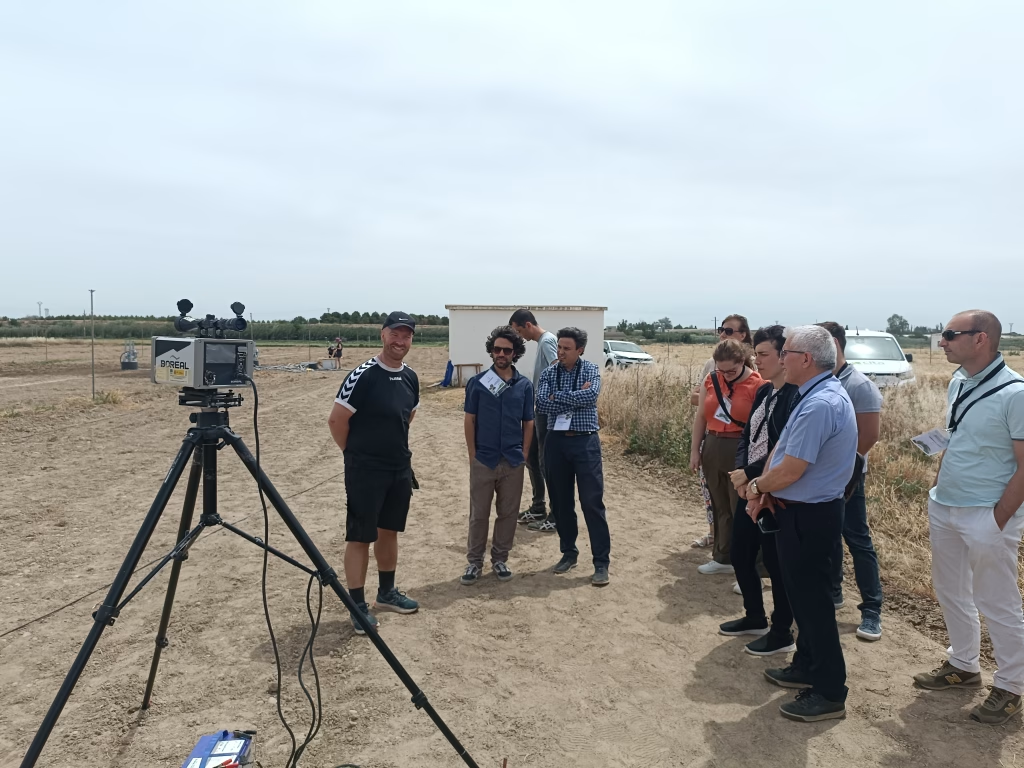
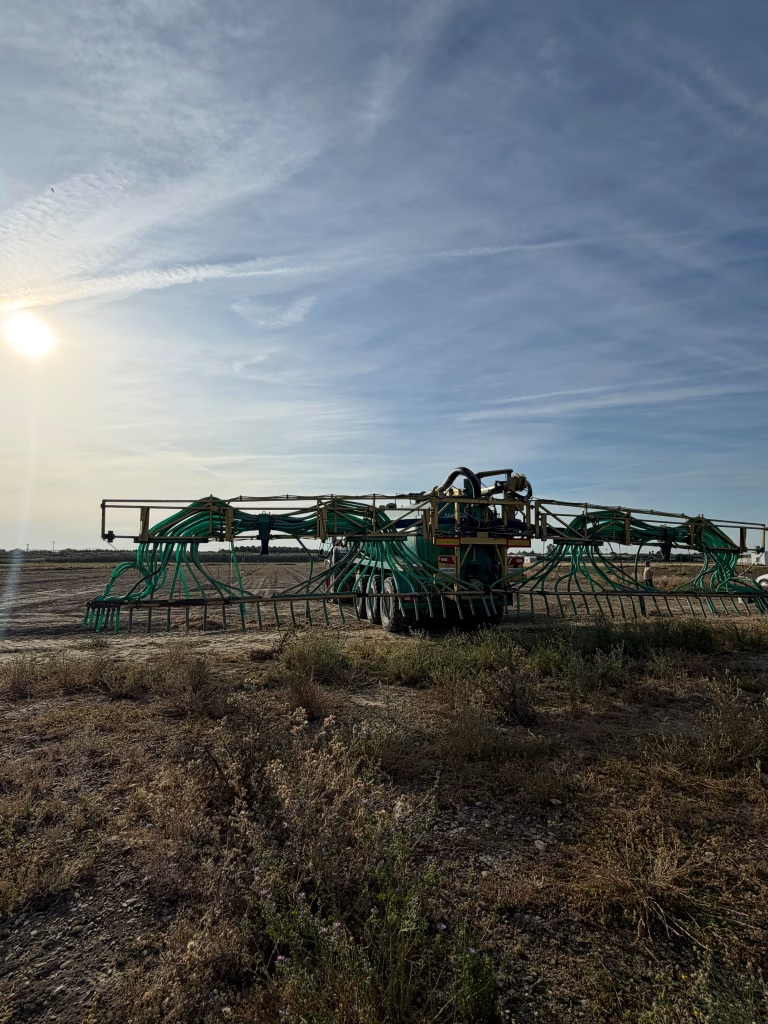
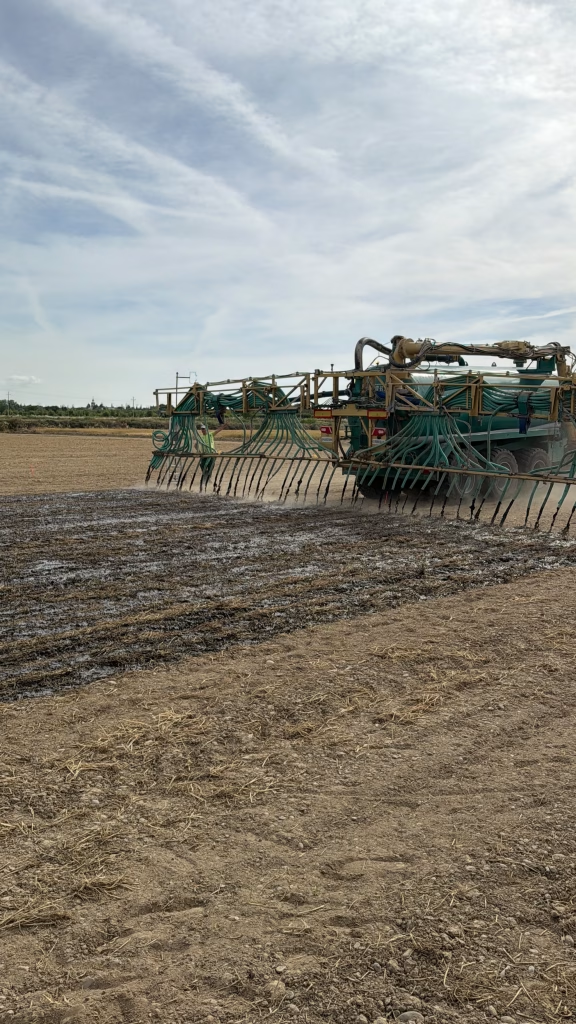
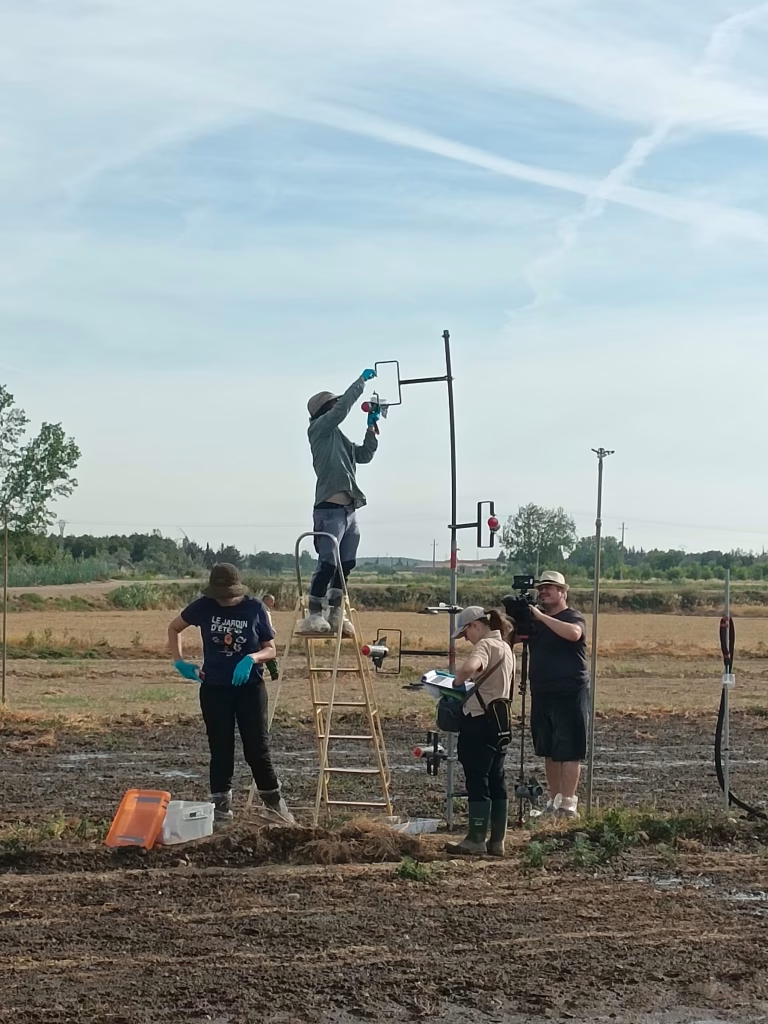
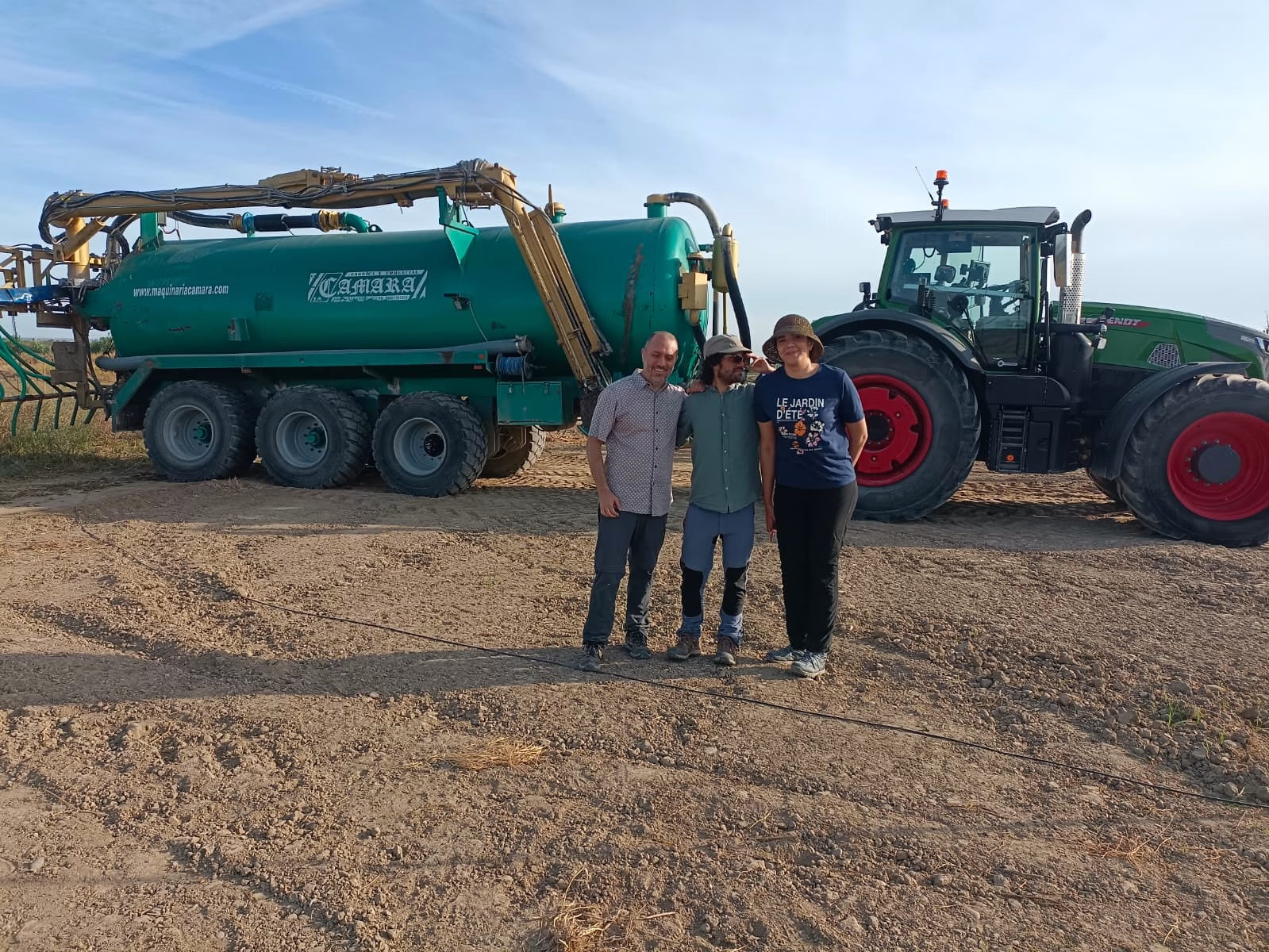
During the first week of June 2026, a pioneering field campaign was conducted at CITA’s experimental facilities to compare six different techniques for quantifying ammonia volatilization following the application of liquid manure. This is the first trial of its kind conducted in Southern Europe with this level of detail and using multiple techniques in parallel. The results will form part of the doctoral thesis of Sabrina Kassouar, a pre-doctoral researcher on the project. Some of the techniques tested were provided by Aarhus University, a project partner. In addition to comparing the measurement methods, the trial also evaluated two different slurry application techniques to analyze their effectiveness in reducing emissions of this atmospheric pollutant, which is primarily of agricultural origin.
Additionally, this study makes it possible to evaluate the various techniques and tools used to quantify ammonia emissions in the field intercomparison campaigns conducted by the AgNUE (Agricultural Nitrogen Efficiency Platform) international research platform, coordinated by Alberto Sanz-Cobeña (CEIGRAM-UPM).
Below is a video from Aragón TV featuring a report on this fieldwork campaign.
Photo Gallery of the Field Trial: