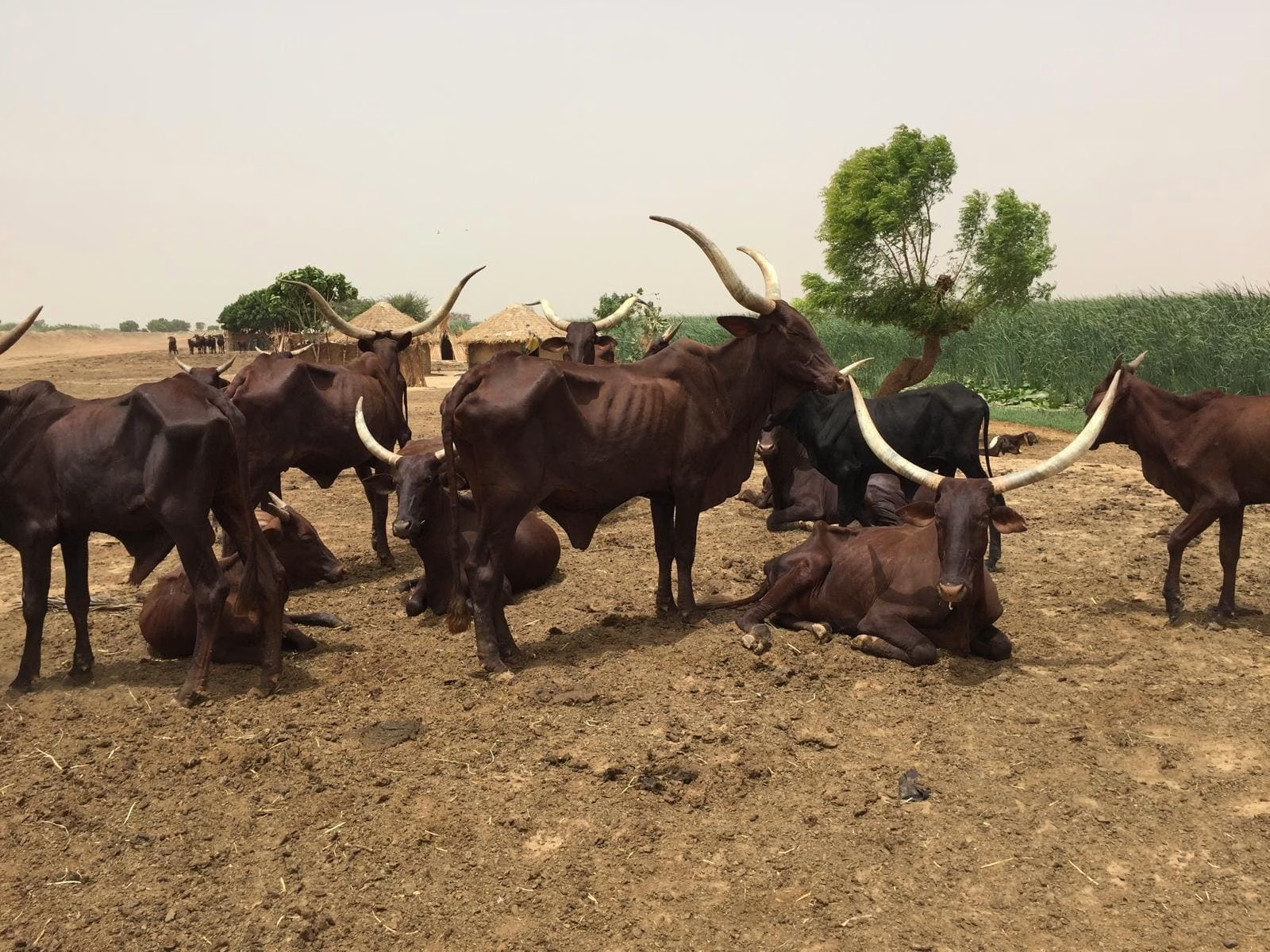
The PRISMA project has published a policy brief on the design and evaluation of a regional index-based livestock insurance scheme for West Africa. The scheme, known as IBLI (Index-Based Livestock Insurance), is designed to protect the approximately 50 million pastoralists who depend on pastures that are highly vulnerable to drought in 12 countries across the region.
The mechanism is based on satellite monitoring of vegetation cover using the NDVI index, which makes it possible to detect fodder shortages objectively and trigger automatic financial compensation before families are forced to sell off their livestock under emergency conditions. One of the methodological contributions of the study is the use of machine learning techniques to define optimised insurance zones, which reduces the so-called baseline risk: the disconnect between what the index measures and the actual losses suffered by the herder.
The financial viability of the model rests on the pooling of risk at a regional level: the collaboration between the 12 countries makes it possible to significantly reduce premium surcharges, making the system more accessible both to farmers and to the governments that subsidise it. The results of the welfare analysis provide strong evidence of its social return on investment.
The Policy Brief concludes with specific public policy recommendations aimed at governments, regional bodies and donors to ensure that this instrument is implemented on the necessary scale.
We invite you to read the full policy brief below: