The United Nations, through the FAO, has declared 2026 as the International Year of Grasslands and Pastoralists (IYRP 2026) to shed light on the role of these landscapes and communities in food security, ecosystem conservation, climate resilience and cultural heritage.
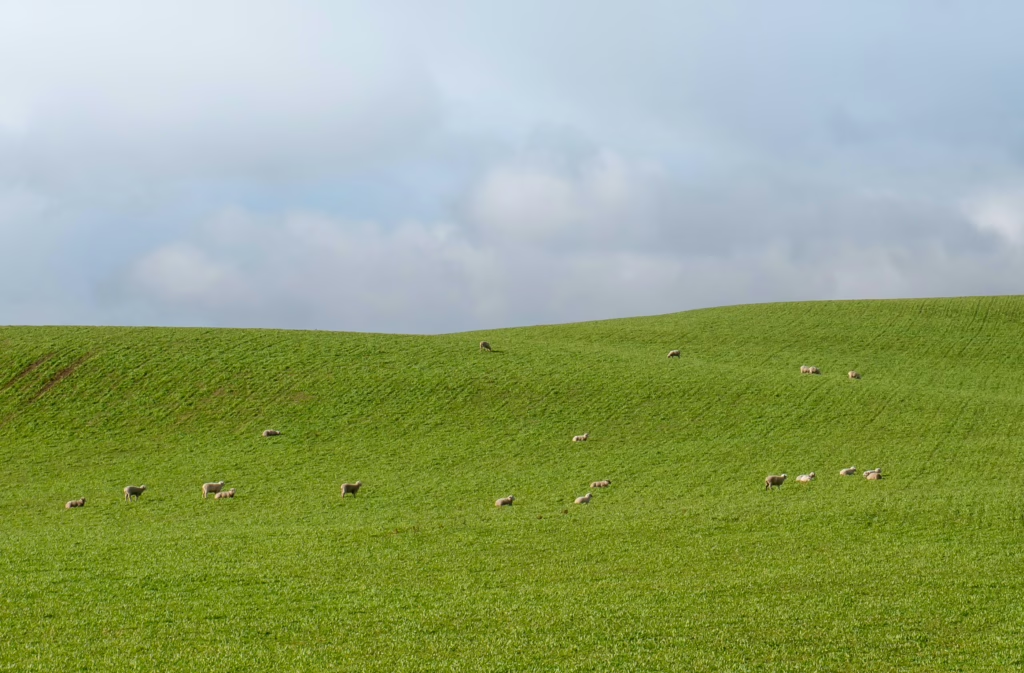
Grasslands occupy around 40% of the Earth’s ice-free surface area and face growing threats in the current context of climate change and natural resource degradation. They are ecosystems of great ecological, social and economic importance. At the natural level, they represent a strategic resource due to the multiple ecosystem services they provide: they capture and store carbon, protect the soil from erosion and support a high level of plant and animal biodiversity. They act as reservoirs for pollinators, biological controllers and other species that are key to maintaining ecological balance.
As a research organisation focused on agricultural and environmental risks, the Research Centre for Agricultural and Environmental Risk Management (CEIGRAM) we wish to join the FAO and UN initiative to highlight the value of grasslands and the work of pastoralist communities in conserving these ecosystems, and to raise awareness of the projects and initiatives we are working on with this objective in mind, addressing the intersection between soil, vegetation and livestock management.
Grasslands are not just landscapes, they are strategic carbon reservoirs and key regulators of the water cycle. Current trends show a decline in grasslands due to livestock intensification in the global north, where the increase in stabled species (especially monogastric animals such as pigs and chickens) has displaced ruminants (cows, goats and sheep).
Researchers such as Tomás García Azcárate highlight the uneven impact of variations in livestock density at the global level. While in developing countries it causes greater deforestation and water acidification, in developed countries where livestock density has decreased, consequences such as forest fires and the loss of ecosystem services provided by extensive livestock farming are encountered.
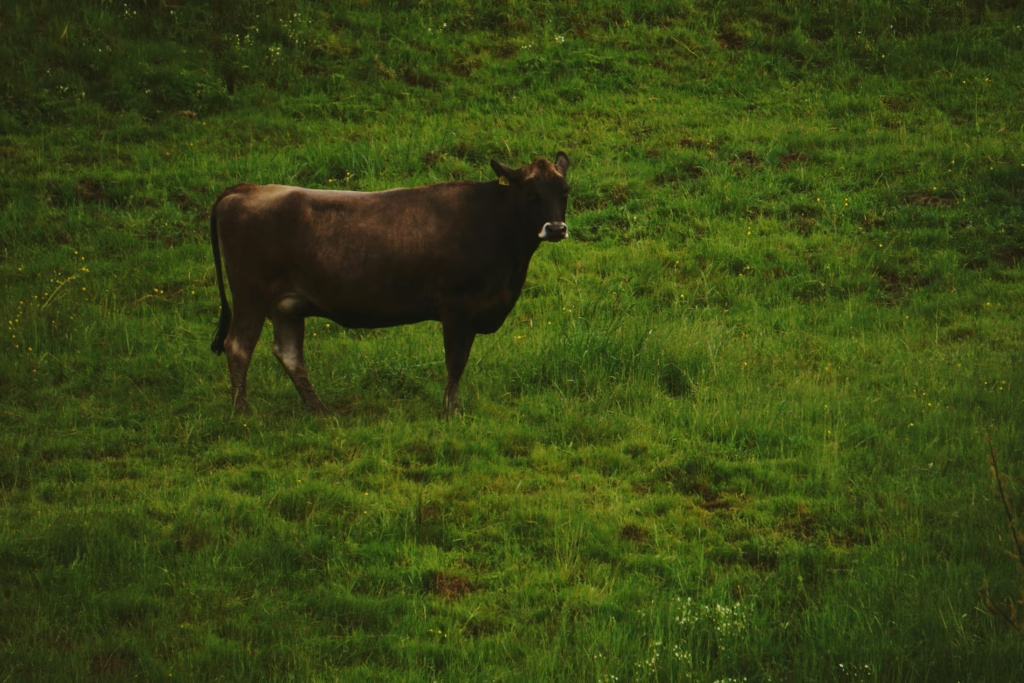
Grazing, meanwhile, acts as a landscape management tool. Selective grazing modifies competition between plants, favouring species adapted to periodic clearing and legumes. Trampling creates depressions that accumulate water and counteracts the dominance of shrubs, maintaining the mosaic of the landscape. Livestock excrement incorporated directly into the soil stimulates microbial life and distributes nitrogen, enriching the floristic composition. Thus, the benefits of extensive grazing are remarkable and should be defended with public policies that protect and stimulate livestock activity.
What are we doing at CEIGRAM?
CEIGRAM develops cutting-edge projects and research that respond to these global challenges:
- FORTEX: Strengthening the sustainability of extensive livestock farming in Spain. This project analyses the causes and consequences of the decline in livestock numbers on the Spanish landscape and promotes public policies aimed at stimulating extensive livestock farming and protecting the work of shepherds, such as the eco-schemes for sustainable grazing and mowing in the PEPAC 2023-2027.
- IcoshellS: This European project investigates innovative solutions for restoring soil health in several Living Labs spread across Europe.
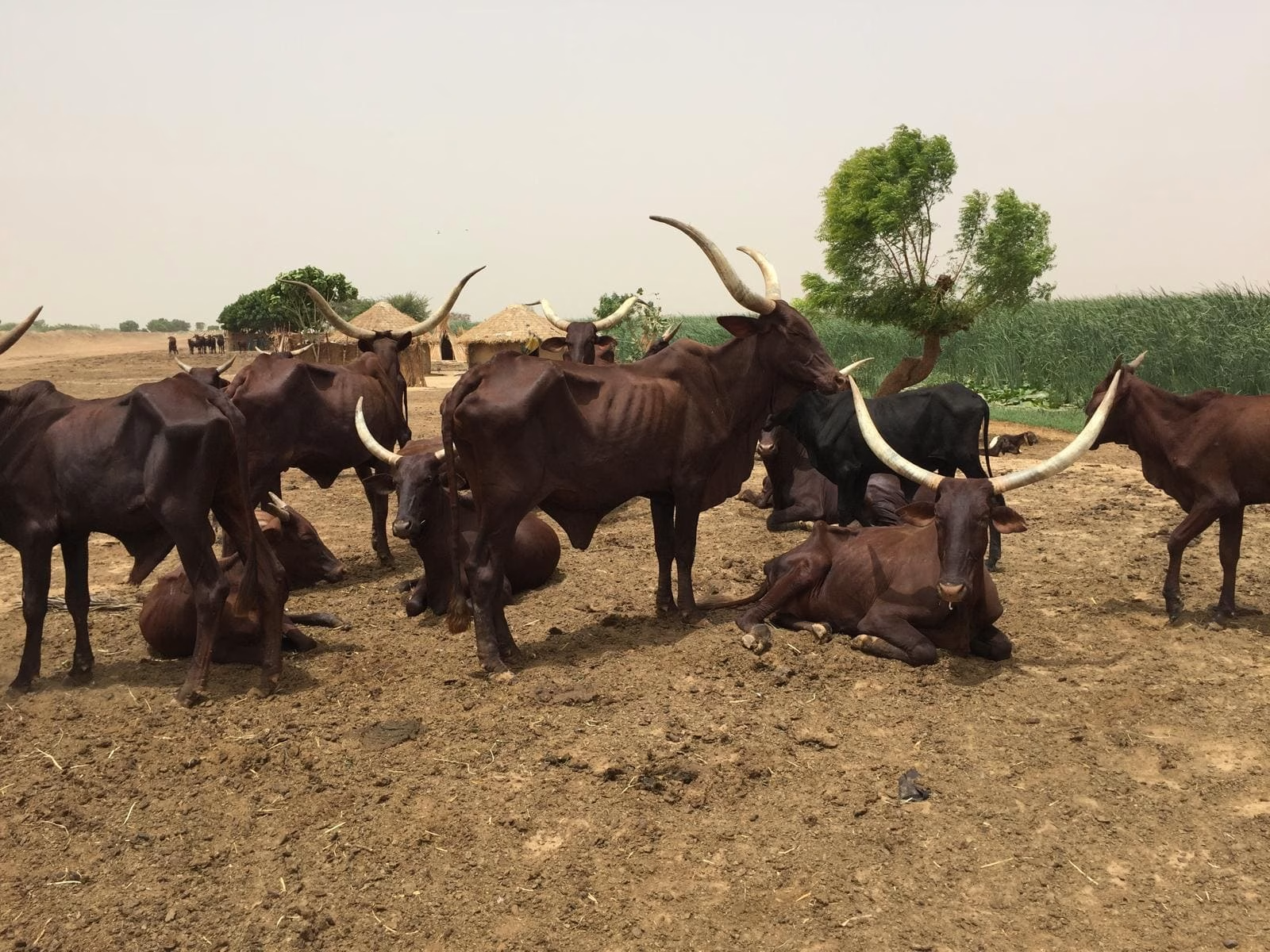
- PRISMA: International cooperation project in the Western Sahel that provides tools for food security and economic resilience for pastoralists and grasslands in the region.
- TransWild: European project that analyses the challenges posed by the coexistence of humans and wildlife and the social conflicts arising from this. In the case of extensive livestock farming, due to predation or health risks from contagion.
- SIMPAST (Dehesa Model): Carlos Gregorio Hernández has designed a pasture analysis tool that is crucial for the design of agricultural insurance.
- Adrián Berzal‘s PhD: Researches the complex climate-vegetation-soil system using remote sensing to understand the resilience of grasslands in the Community of Madrid and their vulnerability to future climate projections.
The International Year of Rangelands and Pastoralists ultimately seeks recognition of herders as custodians of local knowledge that is indispensable for the future. Challenges abound: lack of generational renewal, low economic profitability or declining margins, insecurity and competition in access to land, and the need for greater inclusion of these communities in decision-making. Recognising their role, integrating local knowledge with scientific research, and designing public policies that are sensitive to the ecological and social complexity of grasslands will be key to addressing the challenges of climate change, biodiversity conservation, and the sustainability of rural areas. At CEIGRAM, we will continue to provide evidence, tools, and proposals for smarter and more resilient management of our pastures and soils.